Whose responsibility is sustainability?

As much it’s the consumers choose on what aspects of a garment are important to them, as a designer or brand, it’s really part of your responsibilty to give all levels of consumers a sustainable option.

Sustainability isn’t the cheapest option, and the cost is passed onto the consumer, this model of business in itself is NOT a sustainable option. Not everyone can afford to choose the sustainable choice, and as the industry progresses to give all consumers more choices to choose earth friendly options, theres man aspects of business to consider reducing your carbon footprint in, and consumers, should be aware of what they are.

Sustainability doesn’t begin and end at the design process, all aspects of the business need to be considered and evuluated. From packaging to delevery processes. Creating a sustainable garment is all for nothing, if you wrap the garment in three sheets of plastic, accompnaied by 4 sheets of paper, and a swing tag made up of another set of plactic tags to send to its new owner.

Moving forward it’s the companies rsponsibilty to not just produce the garments in a way that isn’t damaging the earth quickly, but educate consumers, give them the sustainable option without them having to ask, to make it the norm, not a niche, on trend product for the moment, that comes with a hefty price tag, make sustainability normal and expected, so consumer expects nothing less than a product that was created in all areas of business with a green approach front of mind.

fe9cf2d8ec01656c16d34bbbef324da3


Acheiving a sustainable product

More and more focus has been shone onto acheiving both a fashionable and sustainable garment that the market not only accepts but desires. Designer’s use a multitude of diffrenet ways to do their part for the environment to create a more sustainable industry, and as time progresses, with more and more pressure being placed on the industry to adapt their propcesses to lower their carbon footprint, more designers are following suite.

Sustainable fabric choices

Choosing a sustainable fabric when a designer chooses the fabric is one way the designer can make a design choose that will benefit the planet. A natural fibre fabric such as cotton, linen and wool are seen to be sustainable as they will break down naturally overtime. Wool has natural antibacterial ans antimicrobial properties, which caring for the garments has a reduced need for over washing and strong soaps. The issue with natural fibre fabrics, is the toll that the production can take on the surrounding enviroment, such as the methane produced by sheep, or the use of extreme amounts of water to grow cotton, which can be detrimental to the areas that do grow it, when they are naturally baren.

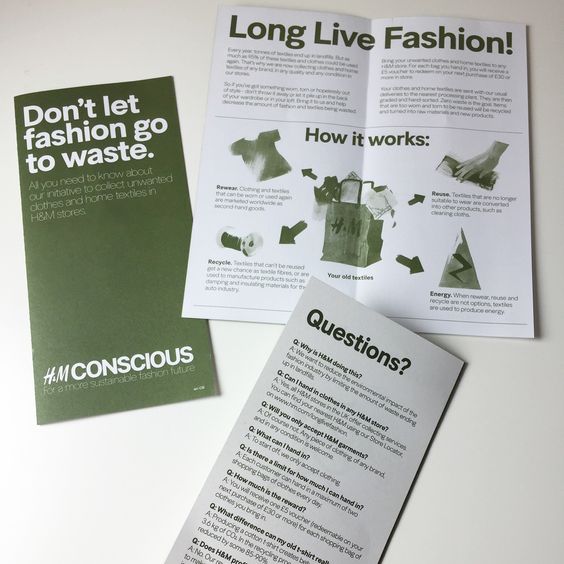
However, as technologically has progressed, so has the option for sustainable fabrics. Recycled fabrics is now an option that has a large variety to choose from, and this area continues to grow. Fast fashion companies such as H&M also now offer  a range of clothing made from recycled fabrics, encouraging shoppers to ‘dump’ their old clothing with them, in exchange for a discount. This enables H&M to recycle the fabrics, and encourages a s ense of sustainability within the fast fashion market. ffeaeb7301d8d4bc51ac2998bb9b7143.jpg
Plastic is now another material that has been developed into a recycled fabric, the process has become advanced enough to acheive a great sense of breathability, durability and feel soft and comfortable to wear.

Recyling and Upcycling

Choosing to use fabrics that are recycled or upcycled is one way to acheive sustainablity, though the this can have it’s limitations, and may not be suitabel for a mass producing designer or company.

Some designers seek fabrics that are off cuts from other designers and are heading to land fill, using the fabric on a smaller scale, though not to waste the fabric. Treehugger details 9 brands who use upcycling and recycling to varying degrees as their business model, building their brands around a greener planet.

5f1652fdb0696916806ec9ecbf96fd60


Zero waste pattern design

Zero waste pattern designing is the love child of finding a way to minimise waste when designing garments. A large bulk of waste is contributed to by the off cuts when the pieces are cut from the roll of fabric. To cut this waste down, the designing process of finding a way to design a garment with no off cuts was created.

This is quite a technical way of designing, heavily laden with measurements and logistics but effective in minimising waste. The pattern designs need to be geometric to acheive this sustainability option.

Inks and Dyes

A factor that contributes heavily to the unfortunate negative effect on the environment is of course the inks, dyes, and processes used when manufacturing clothing. Many garments go through complex processes that use chemicals that are hazardous to the environment, or alterntively, a washed and dyed multiple times, over using water supplies.

A designer needds to be informed in the process of their fabric to make an educated choice as to whether their design can potentially be acheived without the heavy use of chemicals.


Every aspect of the design process has an earth friendlier option, and it’s up to the designer and the company to choose to use it. These options are increasing day by day, and consumers are actively seeking these options when purchasing.


Why slow fashion is might NOT the answer

The issue with fashion and it’s continuing addition the world’s environmental issues is the one that so many seek to answer, and so many feel that slow fashion is the way forward. But could that potentially only add more issues to the cloud of environmental and ethical issues surrounding the fast churning fashion industry?

To assess what the impacts would be we need to understand the differences bewteen fast fashion and slow fashion. Fast fashion is the business model based on churning out products quickly, efficently with more regard for trends and short life span than quality. Fast fashion is a by-product of the societies desperate need for “now”, the shoppers of today want fast access to any item that catches their eye, amd with the strong relevnace of social media platforms in todays social enviroment, the desire for seeing and wanting immediatly is prevelant. The industry has risen to accommodate and to cash in on this social drive, knowing that these are impulse purchases, driven by trend and also quiute often imitiation of popular styles, taking the design process to a bare mimimum. The clothing is cheap, and when considering the environmental effects, also “nasty”.

The problem with fast fashion as a business model, while profitable, has devastating impacts on the earth, often using synthetic materials that aren’t degradable, as they are a cost effect option, promoting a short life span of clothing, not designed to last, and ending quickly as waste, either due to to the poor quality, or because being trend based, the wearer has quickly moved on. These items of clothing are inexpensive and it’s known on purchase that, that the clothing is not designed to last.

Slow fashion on the otherhand is the promotion of quality over quantity, it focuses on a longer design process, natural fibres used in the garment, fair wages, lower carbon footprints and zero waste, which of course sounds ideal, the dream of any environmentalist, or anyone that cares which direction the earth is heading.

The issue lies in so many other areas though, the mass majority, will choose a low cost item to make them feel amazing, as opposed to spending triple on an item that will last them for times as long, as they have been heavily conditioned to want the immediate gain. Yes, choosing an item that is better for the earth FEELS good, you’re doing good, but the people choosing fast fashion options currently, have to be given a way they can do both, find something affordable, without it costing the Earth…. literally.

Fast fashion also contibutes to millions of jobs across the globe, while a large majority of these need to have their employment conditions improved the board, these people are at the very least employed, to aim to shut down or heavily minimise the fast fashion industry, would mean losss of income for millions.

So what is the solution? How do designers and companies find a way to bring the ideals of slow fashion, to the fast fashion market?